Learn all about heat exchanger fouling, cleaning, and maintenance techniques, with a focus on hydroblasting. Discover the benefits of high-pressure water jet cleaning, types of fouling, and preventive measures to extend the life and efficiency of your heat exchangers.
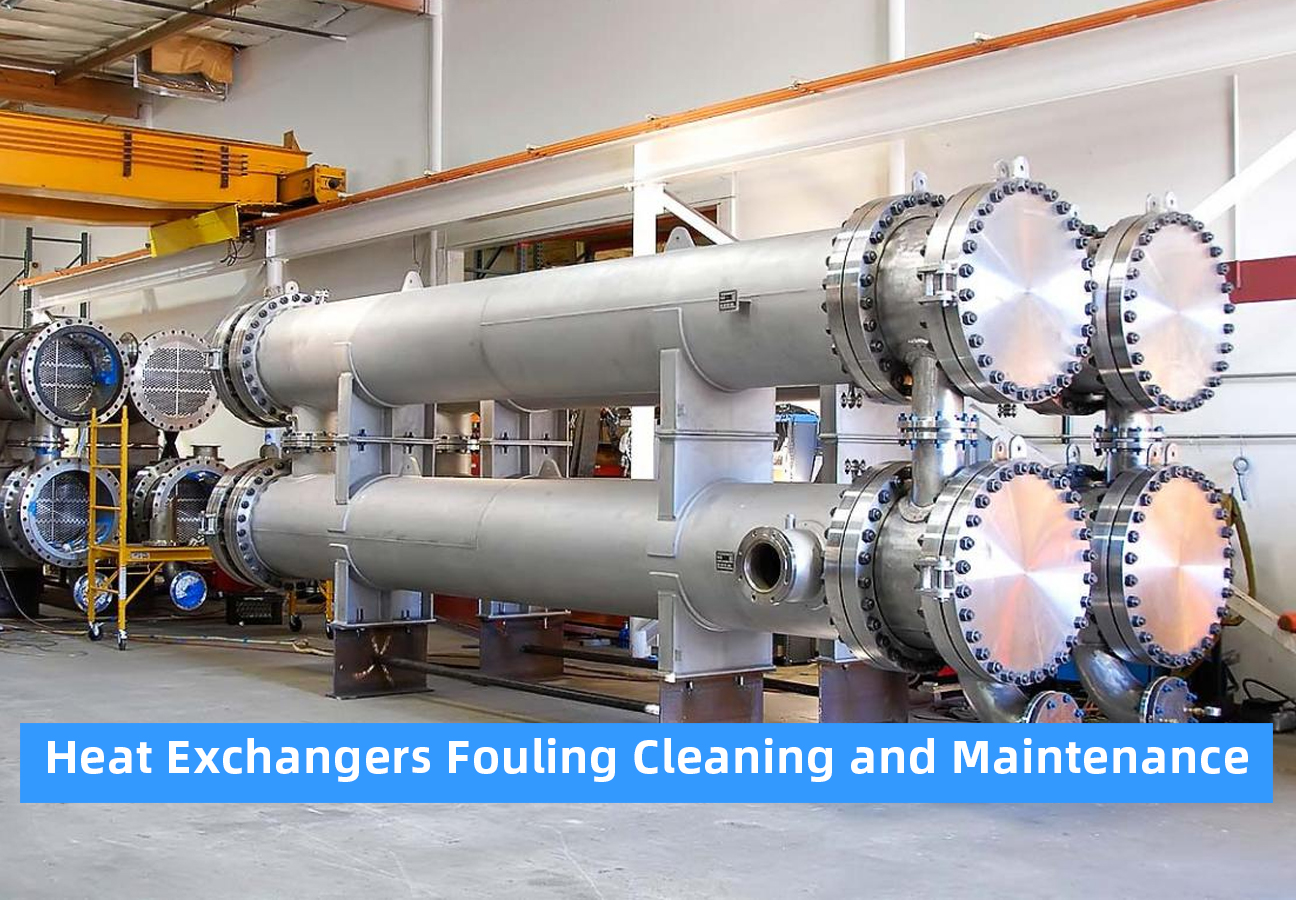
When it comes to maintaining heat exchangers, fouling can severely reduce performance and lead to operational inefficiencies. One of the most effective methods for cleaning is using a hydroblaster (high-pressure water jet), especially for heavy-duty fouling. Here's a detailed overview focusing on fouling, cleaning, and maintenance with a focus on hydroblasting:
1. Fouling in Heat Exchangers
-
Types of Fouling:
- Particulate Fouling: Buildup of dirt, dust, and solid particles.
- Scaling: Hard mineral deposits such as calcium carbonate from water.
- Biological Fouling: Growth of algae, bacteria, or other microorganisms, common in water-cooled systems.
- Corrosion Fouling: Corrosive reactions leading to rust deposits.
- Chemical Fouling: Formation of by-products due to chemical reactions in heat exchange fluids.
-
Effects:
- Increased thermal resistance, reducing efficiency.
- Higher pressure drops across the heat exchanger.
- Restricted fluid flow.
- Increased energy consumption.
- Risk of equipment failure due to clogging or overheating.
2. Hydroblasting as a Cleaning Solution
-
What is Hydroblasting?
- Hydroblasting, also known as water jet cleaning, uses water under very high pressure (often up to 40,000 psi) to remove fouling deposits from heat exchanger surfaces.
- This method is effective for removing hard scaling, mineral deposits, and stubborn fouling that other techniques may not handle.
-
Advantages:
- Non-abrasive: Does not damage the heat exchanger material, which is crucial for preserving integrity.
- Environmentally friendly: No harsh chemicals involved, only water.
- Effective for tough fouling: Can remove thick layers of deposits that are resistant to chemical or mechanical cleaning methods.
- Reduced Downtime: Efficient and fast, minimizing the time the equipment is offline for cleaning.
-
Procedure:
- Preparation: The heat exchanger is taken offline, and the hydroblasting equipment is set up around the fouled areas.
- Water Jetting: High-pressure water jets are applied to the fouled surfaces, either manually or with automated tools (for larger heat exchangers).
- Removal: The high-pressure water dislodges and washes away fouling deposits.
- Post-Cleaning Inspection: Visual or camera inspections ensure all fouling has been removed.
-
Applications:
- Tube Bundle Cleaning: In shell-and-tube heat exchangers, hydroblasters can clean the internal tubes without removing the entire unit.
- Plate Heat Exchangers: Hydroblasting can clean both the plates and gaskets without dismantling, as long as the pressure is controlled carefully.
3. Maintenance Practices
-
Monitoring: Continuous monitoring of the heat exchanger’s performance is crucial. Keep an eye on:
- Pressure drops: Sudden increases often indicate fouling.
- Thermal performance: Drops in heat transfer efficiency point to deposits on surfaces.
-
Preventive Measures:
- Pre-filtration: Install filters or strainers upstream to remove particulates before they enter the heat exchanger.
- Water Treatment: Scale-forming water can be treated with softeners or anti-scaling agents to reduce fouling.
- Corrosion Inhibitors: These can be added to cooling water or other fluids to prevent corrosion-related fouling.
- Biocides: These are often used in systems that are prone to biological fouling.
-
Cleaning Schedule:
- Proactive Cleaning: Cleaning schedules should be based on the operational environment and fouling tendencies. For example, hydroblasting may be done annually or during planned shutdowns.
- Reactive Cleaning: If performance drops significantly before scheduled maintenance, perform hydroblasting to restore efficiency.
-
Post-Cleaning: After hydroblasting, inspect for any surface damage or signs of wear caused by high-pressure jets (if pressures were not controlled well).
4. Additional Cleaning Methods (For Supplementing Hydroblasting)
- Mechanical Cleaning: Brushes or scrapers can be used to remove loose deposits, but for hard scales, hydroblasting is more effective.
- Chemical Cleaning: Circulating chemicals to dissolve scales or corrosion can be done before or after hydroblasting, especially for areas hydroblasting cannot easily reach.
- CIP (Clean-in-Place): For industries requiring frequent cleanings (e.g., food, pharmaceutical), a CIP system with hydroblasting can be set up.
5. Advanced Techniques
- Automated Hydroblasters: For larger heat exchangers, automated systems can be used to systematically clean the tubes or plates, reducing the risk of human error and improving efficiency.
- Robotic Cleaning: In large industrial setups, robotic hydroblasters can access hard-to-reach areas.

Hydroblasting is a highly effective, fast, and environmentally friendly method for cleaning heat exchangers suffering from fouling. With regular maintenance, including hydroblasting, the life and performance of heat exchangers can be extended, ensuring they operate efficiently with minimal downtime. Incorporating preventive strategies and real-time monitoring further enhances the effectiveness of this cleaning method.


